Green Energy and Sustainability ISSN 2771-1641
Green Energy and Sustainability 2026;6(2):0004 | https://doi.org/10.47248/ges2606020004
Original Research Open Access
Techno-economic optimization of solar energy-based electrification systems for remote islands
Michail P. Bratitsis
1,2

 ,
John K. Kaldellis
1
,
John K. Kaldellis
1
Correspondence: Michail P. Bratitsis
Academic Editor(s): Tony Roskilly, Georgios Martinopoulos, Georgia Kastrinaki, Hande Eryilmaz, Martin Roeb
Received: Nov 2, 2025 | Accepted: Apr 28, 2026 | Published: May 6, 2026
This article belongs to the Special Issue Selected Papers from the Conference ICRES 2025
© 2026 by the author(s). This is an Open Access article distributed under the Creative Commons License Attribution 4.0 International (CC BY 4.0) license, which permits unrestricted use, distribution and reproduction in any medium or format, provided the original work is correctly credited.
Cite this article: Bratitsis MP, Kaldellis JK. Techno-economic optimization of solar energy-based electrification systems for remote islands. Green Energy Sustain. 2026;6(2):0004. https://doi.org/10.47248/ges2606020004
Small islands face unique energy challenges due to their heavy reliance on imported fossil fuels, leading to high electricity costs, energy insecurity and environmental concerns. The integration of solar energy is a promising solution, offering a sustainable, cost effective and resilient alternative. However, the successful deployment of solar energy systems in small islands requires addressing critical challenges, including land availability, energy intermittency, storage constraints and policy barriers. This paper explores innovative solar energy solutions tailored for small islands, emphasizing the role of photovoltaic (PV) systems, energy storage technologies and smart grid integration. Moreover, the feasibility of solar and battery-based solutions versus the operation of existing diesel-electric generators is examined in depth. A microgrid topology to cover the energy needs using a photovoltaic system combined with a battery storage application is being presented for the island of Donoussa. The complete analysis of the electrical load profile of the island is required using the energy demand for a three-year period. On the other hand, the expected energy generation of the PV system is being predicted using available data for the solar irradiance, the ambient temperature and other environmental factors for the same period. An integrated algorithm is used for the parametric analysis of different configurations of the proposed system in order to minimize or even eliminate the use of the thermal station of the island in favor of carbon dioxide emissions elimination. Several combinations of the required systems such as the PV station peak power and the battery storage capacity are investigated in order to find the optimum solution on the basis of a complete technoeconomic analysis. Recapitulating, the main purpose of this paper is to present an integrated algorithm able to define the optimal PV-energy storage configuration in order to cover the remote islands’ electricity needs at minimum lifecycle cost. To this end, for the remote island of Donoussa minimum fossil fuel contribution is obtained from the already existing thermal power station, offering at the same time environmental and economic advantages to the local community insisting also on safeguarding the reliable operation of the local electrical network.
KeywordsPV applications, greenhouse emissions, energy storage, load demand, energy system optimization, cost-benefit analysis, supply security
Greek islands cover their electricity needs mainly using thermal power stations or interconnections with sub-marine cables with larger islands. At the moment, there are 26 non-interconnected autonomous electrical systems in the Aegean Sea that supply 47 islands. Actually, 15 of them are stand-alone systems covering their needs using local Thermal Power Stations (TPS). Moreover, another 22 islands are inter-connected with submarine cables forming 4 electrical micro-grids. The biggest one is the system of Kos and Kalymnos supplying 9 islands. In this context, fifteen islands are very small with annual energy needs between 500–1500 MWhe. This current situation leads to inefficient fulfillment of electricity demand, coupled with high electricity-generation cost and environmental degradation driven mainly by CO2 emissions.
Figure 1 shows the electricity production cost in the non–interconnected Greek islands. The light blue bars give the average cost and the dark blue the maximum one. As we can see, the corresponding electricity generation cost exceeds in several cases the 500 €/MWhe [1], while in some small islands such Arkioi, Erikoussa, Donoussa and Agathonisi is over 1000 €/MWhe. It is quite impressive that the maximum cost in Agathonisi exceeds 3000 €/MWhe and in Donoussa is close to 2000 €/MWhe.

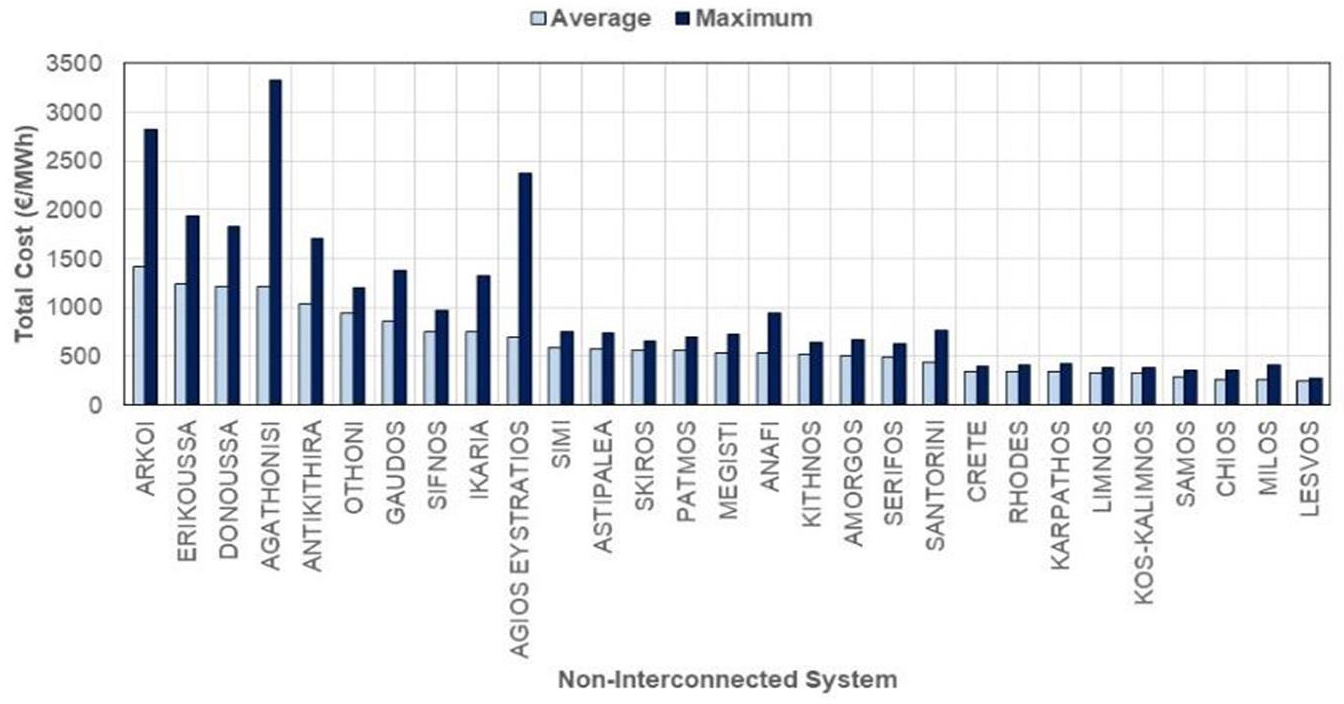
Figure 1. Electricity Production Cost of Non-Interconnected Greek Islands (2023).
Dependence on imported fossil fuels for electricity production exposes small islands to energy security risks, including supply disruptions, price volatility and geopolitical tensions. The unique and fragile ecosystem of these islands, which is sensitive to the environmental impacts of energy production, necessitates a swift and careful transition to renewable energy sources (RES) exploitation to safeguard its biodiversity and ensure long-term sustainability [2].
Across Greek islands, wind power is plentiful and solar irradiance is exceptional. However, on small islands with constrained infrastructure, the transport and installation of contemporary commercial wind turbines, along with the risk they impose to the dynamic stability of local TPS, suspend their installation [3]. To this end, small and medium-size PV systems emerge as the rational alternative. To enhance energy coverage under similar conditions, each island needs an integrated, sustainable strategy tailored to its specific conditions [4]. This strategy means at one hand deploying renewables that curb dependence on imported fossil fuels and decreases electricity costs, and at the other rolling out systematic energy-efficiency measures to trim overall consumption.
To overcome these obstacles and extend reliable energy access on small autonomous islands, each locality must pursue a holistic, sustainable strategy adapted to its own profile. This holistic strategy involves:
Explore local RES, mainly solar energy, to limit or eliminate imported fossil fuels and reduce electricity generation cost;
Encourage energy saving and systematic efficiency upgrades reducing the overall energy demand;
Improve resilient infrastructure and strong micro-grids that can withstand climate-induced energy shocks and maintain power dynamic stability; and
Deploy energy storage and demand-side management to manage the intermittency of wind and solar power.
In this context, by combining PV plants with modern energy storage devices improves significantly the local network reliability, reduces the production cost and CO2 emissions, permitting existing thermal units to play only a minor, back-up role. This promising solution increases also the reliability of the local network, decreases the electricity production cost and the corresponding CO2 emissions, minimizing at the same time the contribution of oil imports used by the existing local TPS [5].
This paper outlines a streamlined methodology for sizing an autonomous power system based on local solar potential exploitation and the optimal capacity of appropriate energy-storage units [6]. The current approach takes into consideration the daytime-only output profile of PV plants, the steep summer load surge driven by seasonal population growth and other local constraints. The necessary system simulation relies on a full network assessment, incorporating multi-year time series of electricity demand, solar irradiance, ambient temperature and other related parameters.
While the ideal “green scenario” asks for local TPS’s zero production, the current analysis balances this target against high upfront cost and stringent system reliability requirements in order to avoid oversizing of PV and energy storage assets [7,8]. Thus, using real-world data, the proposed algorithm provides an optimal electrification pathway for small, non-interconnected islands, leveraging solar power and energy storage capacity in order to reduce electricity generation cost and greenhouse-gas (GHG) emissions, while safeguarding the energy security of the local community.
To electrify small, remote islands using their solar potential, an autonomous PV generator coupled [4,9] with suitably sized energy-storage equipment can be deployed (Figure 2). In this context, contemporary lithium-ion batteries offer clear advantages over traditional lead-acid units. The system is also supported by charge controllers and inverters that convert the DC output of both the PV generator and the batteries into grid-compatible AC power. In this context, PV production during daytime will be feeding the load demand and the excess energy will be driven to the storage application. Accordingly, during night the load will be covered by the system batteries. In any case that the load cannot be covered by the PV generator or/and the batteries then the local TPS will be activated. In order to be able to simulate the local system performance, the electrical load profile for a considerable period (e.g., one to three years) is necessary [10,11].
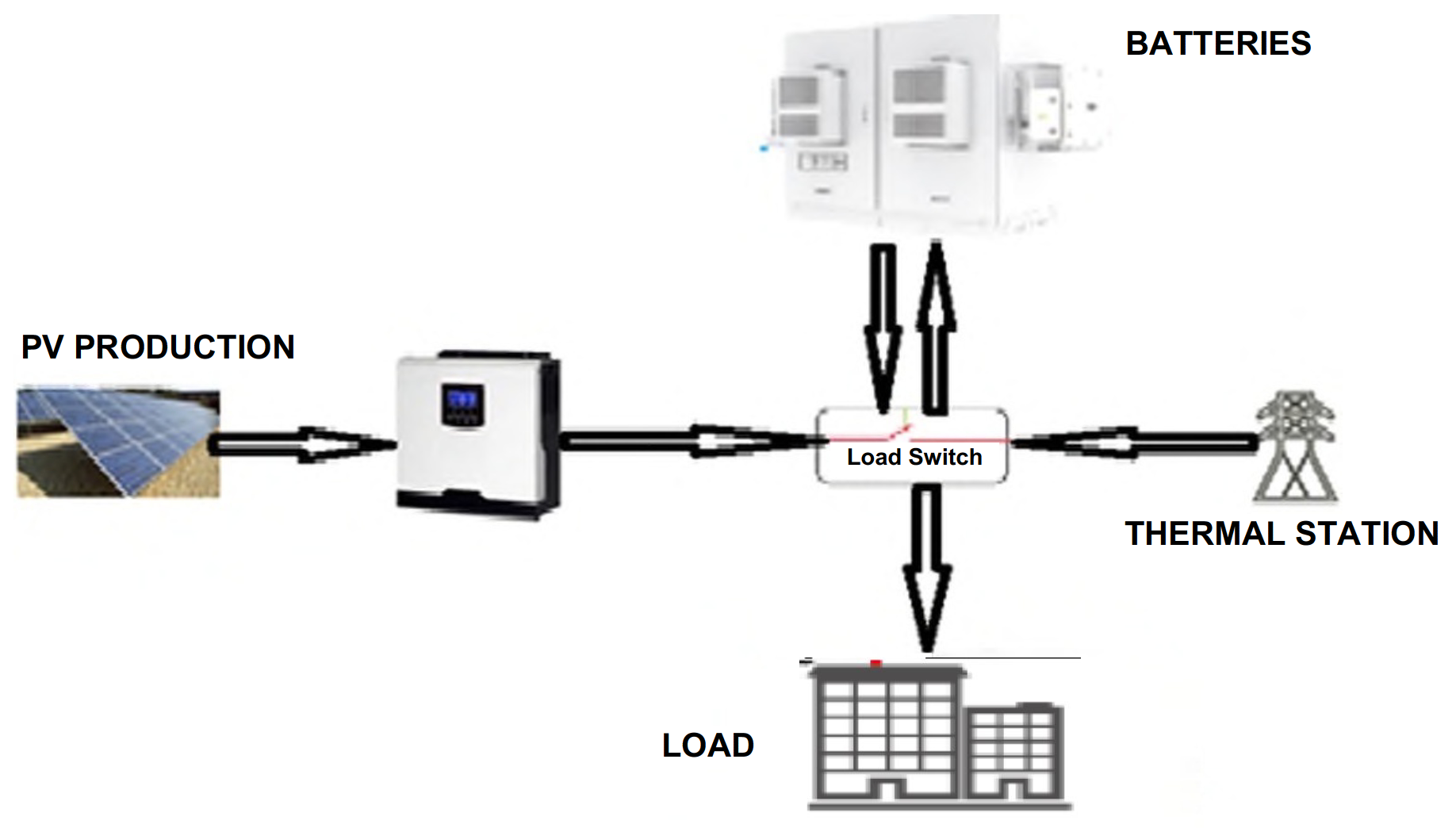
Figure 2. Proposed solution for electrification of small non – connected islands.
On the other hand, the solar irradiance at the same period and additionally the ambient temperature is required. Wind potential and air pollution may be also helpful in order to calculate the expected energy production from the PV installation [12]. Moreover, the operational characteristics of the individual parts of the proposed system are required in order to simulate its operation, such as the round-trip efficiency, maximum depth of discharge (DODmax) and voltage profile (vs. DOD and ambient temperature) of the storage application as well as the inverter efficiency vs. power output and the input voltage window.
In Figure 3 the load demand PL of a typical small island (e.g., the island of Donoussa) for a three-year period between 2021 and 2023 is presented [1]. In this diagram the horizontal axis represents the hourly analysis for one year (8,760 hours) and the vertical axis describes the hourly electricity consumption of Donoussa. According to available data, the local consumption varies between 50 and 450 kW with maximum energy demand during summer period and especially during July and August, where there is an increase in the population due to tourists’ arrivals (excluding 2022 due to pandemic).
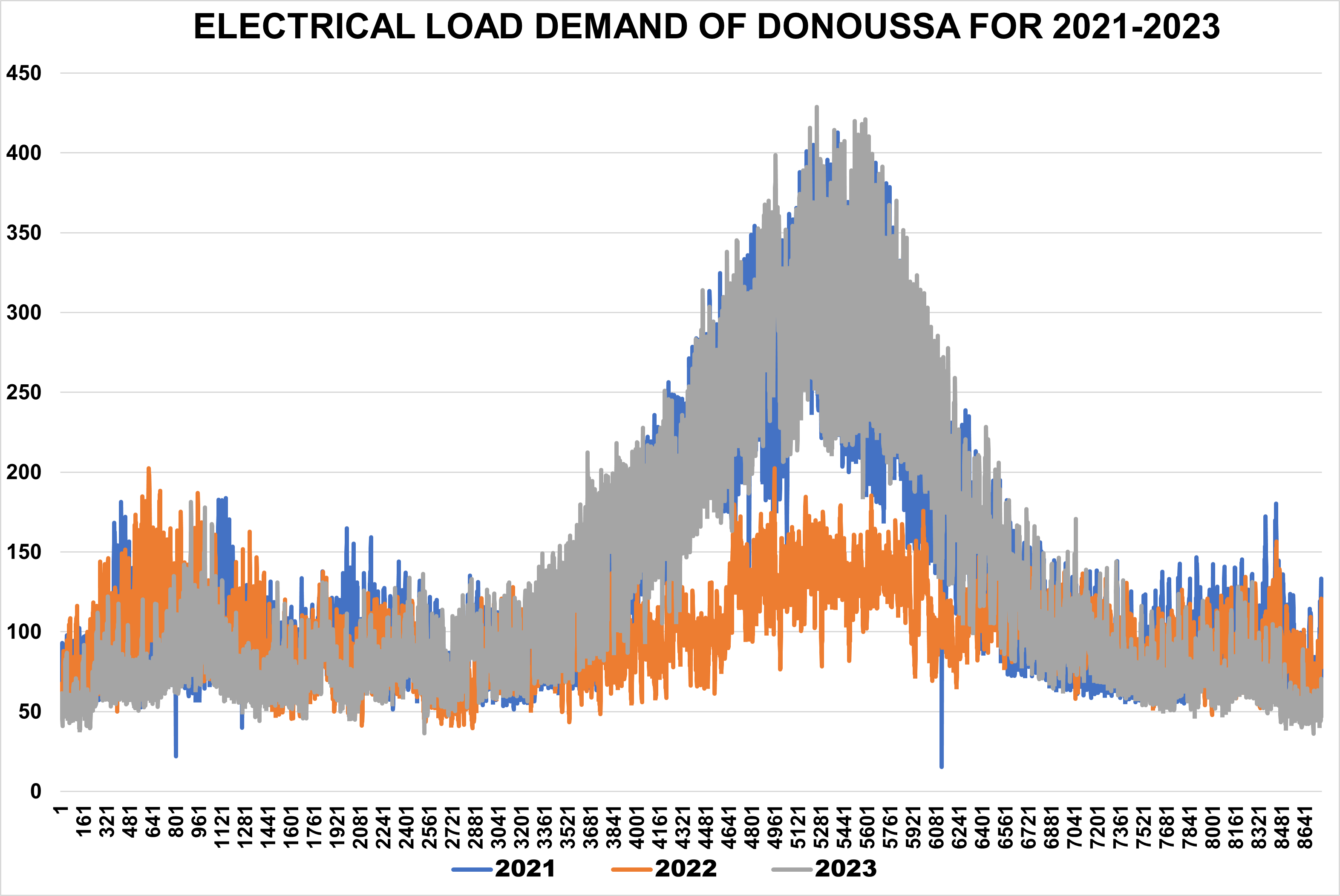
Figure 3. Electrical Load Demand (in kW) of a Greek Small Island (Donoussa) for 2021-2023.
Consequently, Figure 4 demonstrates representative solar-potential data, obtained from 15-minute average measurements and aggregated on monthly basis, for photovoltaic modules tilted at 30°. The initial raw observations were recorded on the horizontal plane. The monthly in-plane irradiation varies from 100 to 240 kWh/m2, increasing from winter to summer.
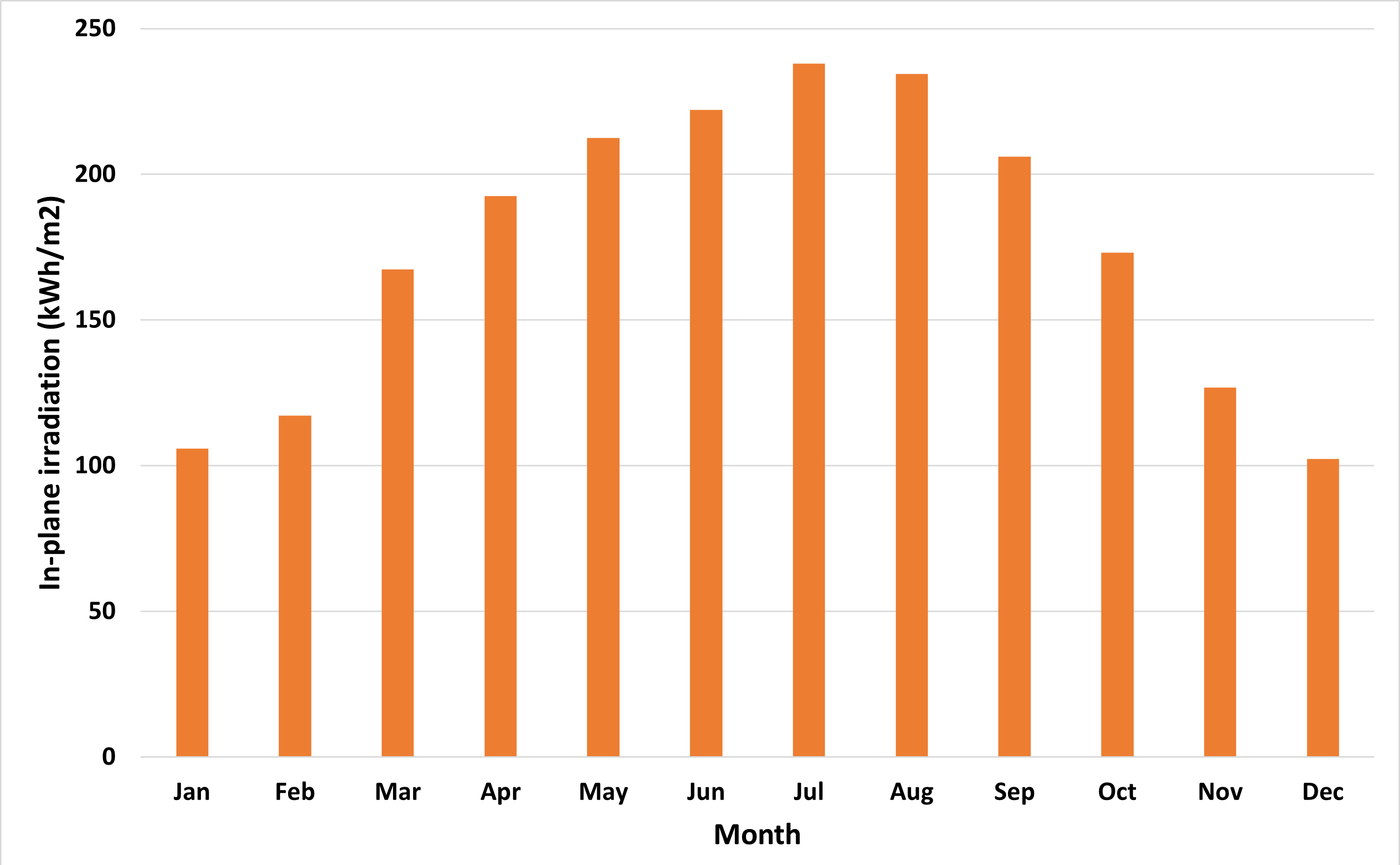
Figure 4. Solar Potential at a selected small Greek island (Donoussa).
For the simulation of the proposed system, a time step of one hour is selected, where the PV production, P is being compared with the load demand PL of the island. The maximum Depth of Discharge (DODmax) of the energy storage system is a crucial parameter in order the system controller to decide the energy flow through the different parts of the proposed installation (Figure 2). More specifically the system energy/power balance ΔP(t) at every time point (t) is estimated as:
where the PV generator power output P(G,θa) depends [4] on the solar irradiance and the ambient temperature, while G(t) is the solar irradiance at the desired tilt and azimuth angle and θa is the corresponding ambient temperature [12].
If ΔP(t) > 0 then the PV production is covering the whole energy demand of the island and the energy excess is used to charge the energy storage system.
In case DOD = 0 (i.e., the energy storage system is full) the energy excess is forwarded to other low priority loads and the corresponding energy surplus is estimated.
If ΔP(t) < 0 then the PV production is covering part of the electricity consumption and the rest is covered by the energy storage system.
If DOD is near the DODmax (i.e., the batteries are almost empty) then the energy deficit is covered by the local TPS and the corresponding energy deficit Ed is calculated.
In Figure 5 the energy management algorithm used for the entire system simulation is depicted being a modified version of the original algorithm PV-Diesel v.12 [4,6].
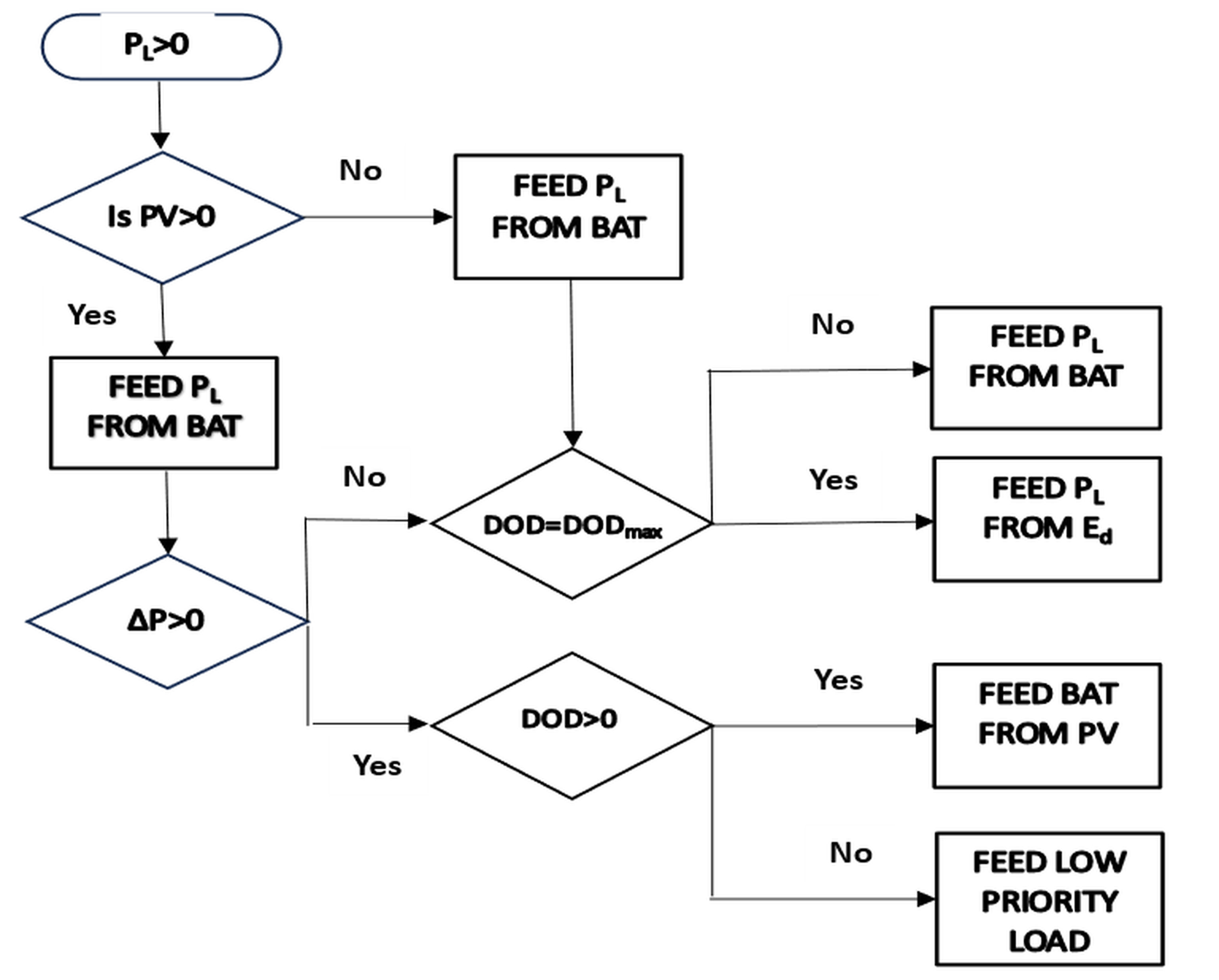
Figure 5. Energy management diagram of PV-Diesel algorithm.
Applying the above analysis, for a given load profile and for every pair of installed PV generator peak power Po and battery capacity Ess, the algorithm provides, for a desired period of one or more years, the time-series of:
PV system power production P(t),
Power and Energy balance ΔP(t),
Energy storage system Depth of Discharge DOD(t),
or equivalently State of Charge SOC(t) (i.e., SOC(t)=100-DOD(t))
and the local TPS energy contribution Ed(t).
For a given evaluation window Δt (e.g., one month, one year, etc.), the model calculates the total PV generator output Etot (see also Appendix One) and its demarcation in a direct provided component Epv and to a via battery-based component Ebat. The residual demand is met by the local diesel plant Ed, thus the corresponding fuel consumption Mf and CO2. emissions MCO2 may be estimated. Finally, the overall system loss Eloss and the corresponding PV output surplus Esurp (unused PV generation when the battery is full, which may be used for low priority or deferral loads) are computed, according to the following Equations 2 and 3.
The autonomous electrical system of Donoussa island is selected to check the applicability of the above-described algorithm. Donoussa is a small island belonging to the South Aegean region (prefecture) of Greece, see also Figure 6. It is located at the northernmost part of the Small Cyclades, located between the islands of Naxos and Amorgos. The area of the island is 13.65 sq.km while its subsoil is characterized as rich in minerals and rocks. The island has four small villages, i.e., Stavros (the capital and port of the island), Kalotaritissa, Mersini and Messaria. The island population is 187 habitants according to the population census of 2021. The road network is poor. There is only one asphalted road connecting the villages of the island. There are also a bus and a small boat to cover the transportation needs. One may find also 15 private cars, 3 rural cars and 8 small private buses used by the touristic units although no gas station is available. Finally, a helipad is located next to the Stavros. One of the major problems of the island is the serious sweet water deficit. For this purpose, a small desalination unit of 150 m3/day has been installed near the port, while there are also two water drillings and a water tank of 1200 m3 to cover the needs of Stavros village.
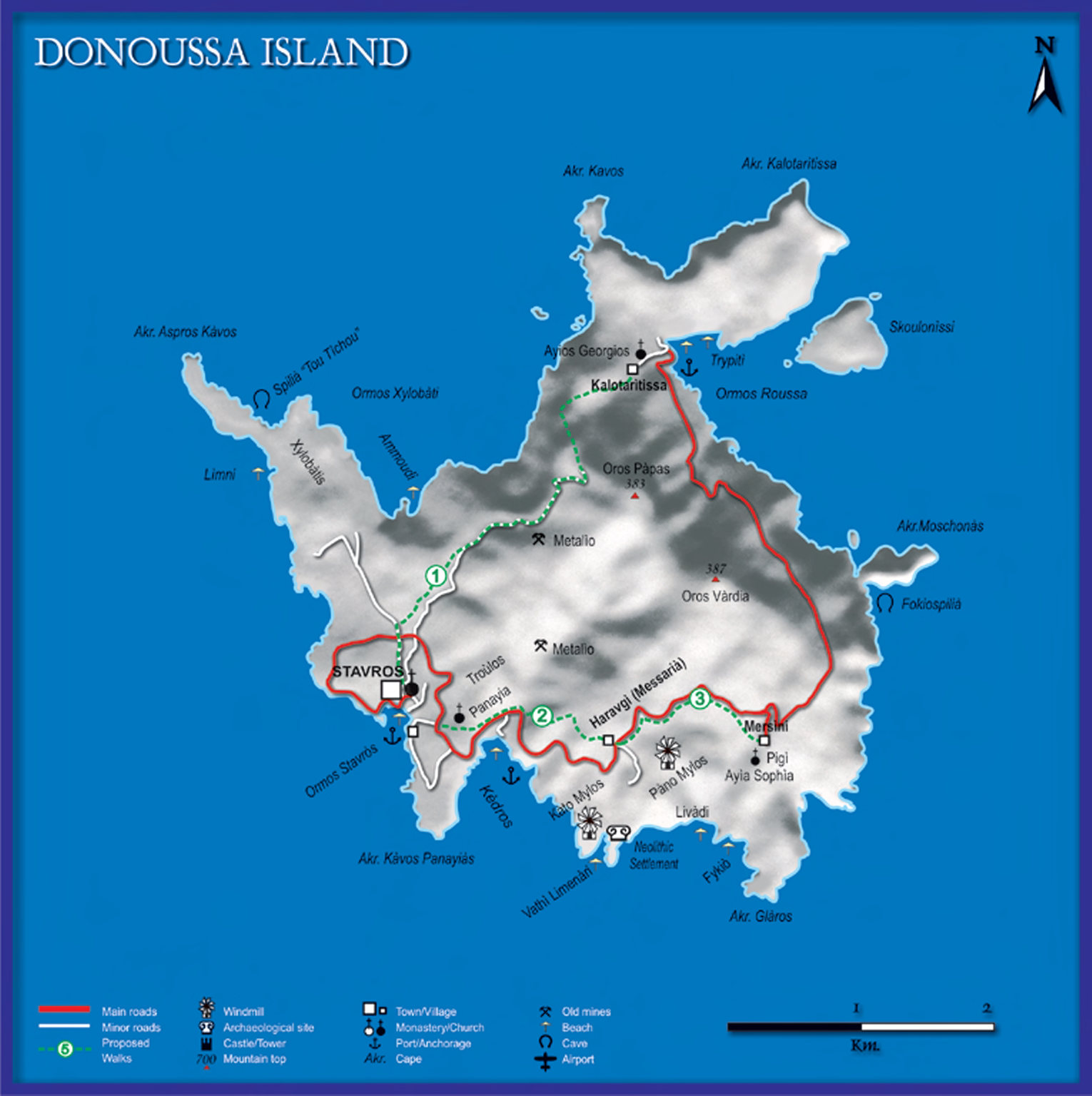
Figure 6. Donoussa island general view.
The annual electricity consumption of the island is between 1100–1200 MWh. The local TPS has an installed capacity of 990 kVA and it consists of three diesel-electric generators of 90 kVA each, two of 250 kVA each and one of 220 kVA. The main distribution network is operating at 20 kV and the peak load is slightly exceeding 450 kW. As it is obvious that the local grid capacity and the limited island infrastructure do not permit the installation of wind parks. Until now there is only a 5 kWp PV application on the building of the school of Stavros. The annual in-plane solar potential is exceeding 2000 kWh/m2, thus the expected annual specific energy yield is exceeding 1600 kWh/kWp.
In order to examine the island energy fulfillment, the photovoltaic (PV) generator’s rated power (Po), is parametrically analyzed from 600 kWp to 1200 kWp with step of 100 kWp. The associated lithium-ion storage subsystem is assigned a nominal energy content (Ess), between 1 MWh and 7 MWh, assuming a round-trip efficiency of 85% and a maximum depth-of-discharge of 80%. In theory, this energy storage range covers approximately 0.3–2 days of autonomous operation of the proposed system even in the absence of the local TPS. Aggregate PV array losses are set to 15% of gross DC production, while the conversion losses attributable to the system charger and inverter are assumed equal to 10% on average.
To identify the optimal PV–battery configuration, a three-year time-series simulation is carried out for each (Po – Ess) pair. Since PV generation is confined to daylight hours, at the moment the main objective of the proposed solution is to achieve maximum electricity self-sufficiency (i.e., zero TPS dispatch) of the island. Accordingly, a financial evaluation of the solutions obtained is considered. To this end, the supervisory control scheme is designed to satisfy the instantaneous load primarily through direct PV supply. Any energy surplus is used to charge the batteries, excluding the case that the batteries are fully charged (i.e., SOC=100% or DOD=0%). In case that the direct PV generation is insufficient, the load is met by discharging the system batteries. Finally, the TPS is activated only when the PV generator output is not sufficient and the batteries depth-of-charge approaches its lower limit, i.e., DOD→DODmax. It is worth noting that for many of the scenarios analyzed, excess solar energy remains unexploited by the island load profile, but under certain circumstances it can supply other low priority loads of the island.
In Figure 7 one can see some indicative results of the above-described supervisory algorithm. More specifically, the annual energy balance of the hybrid PV–battery–TPS system is presented concerning the most recent year (2023) of the entire period (2021–2023) analyzed for a representative set of potential configurations, i.e., selected (Po – Ess) pairs. Hence, in Figure 7 the energy analysis of these representative configurations for the selected year (2023) is depicted. Six data series are included describing the island load demand, the PV energy yield, the direct PV load coverage, the battery energy contribution to consumption, the residual electricity demand finally met by the TPS, and any energy surplus of the hybrid power system.
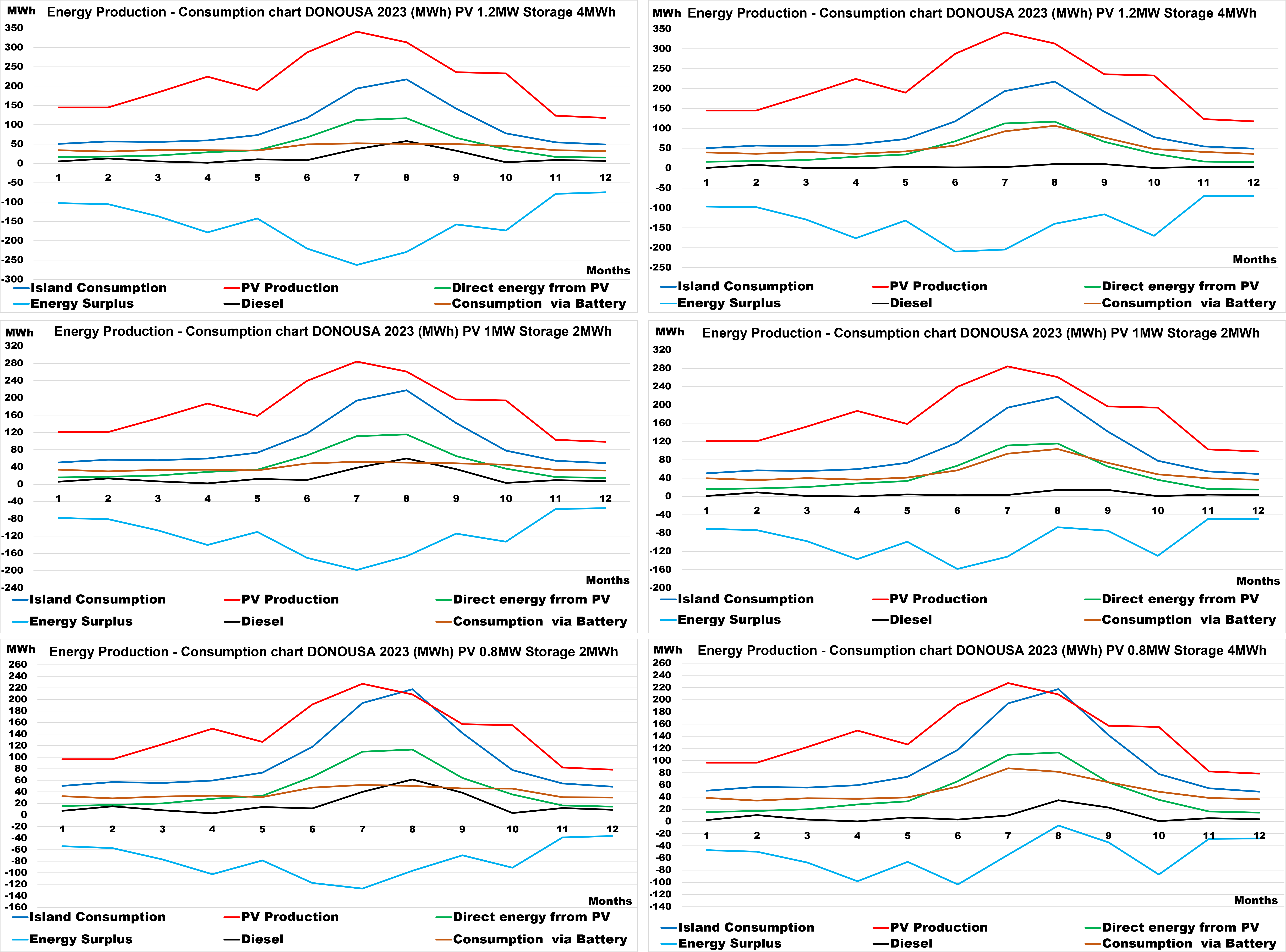
Figure 7. Energy analysis of several configurations for Donoussa island.
Using the available data, the monthly electricity consumption varies between 50 MWh (winter minimum) and 220 MWh (summer peak). With the selected configurations, the PV–battery subsystem supplies the vast majority of the island consumption Figure 8, limiting the TPS operation to values less than 5% on monthly basis, while the TPS annual contribution may be as low as 4%. Actually, the solar energy contribution is split almost evenly between direct feed-in and via energy storage discharge.
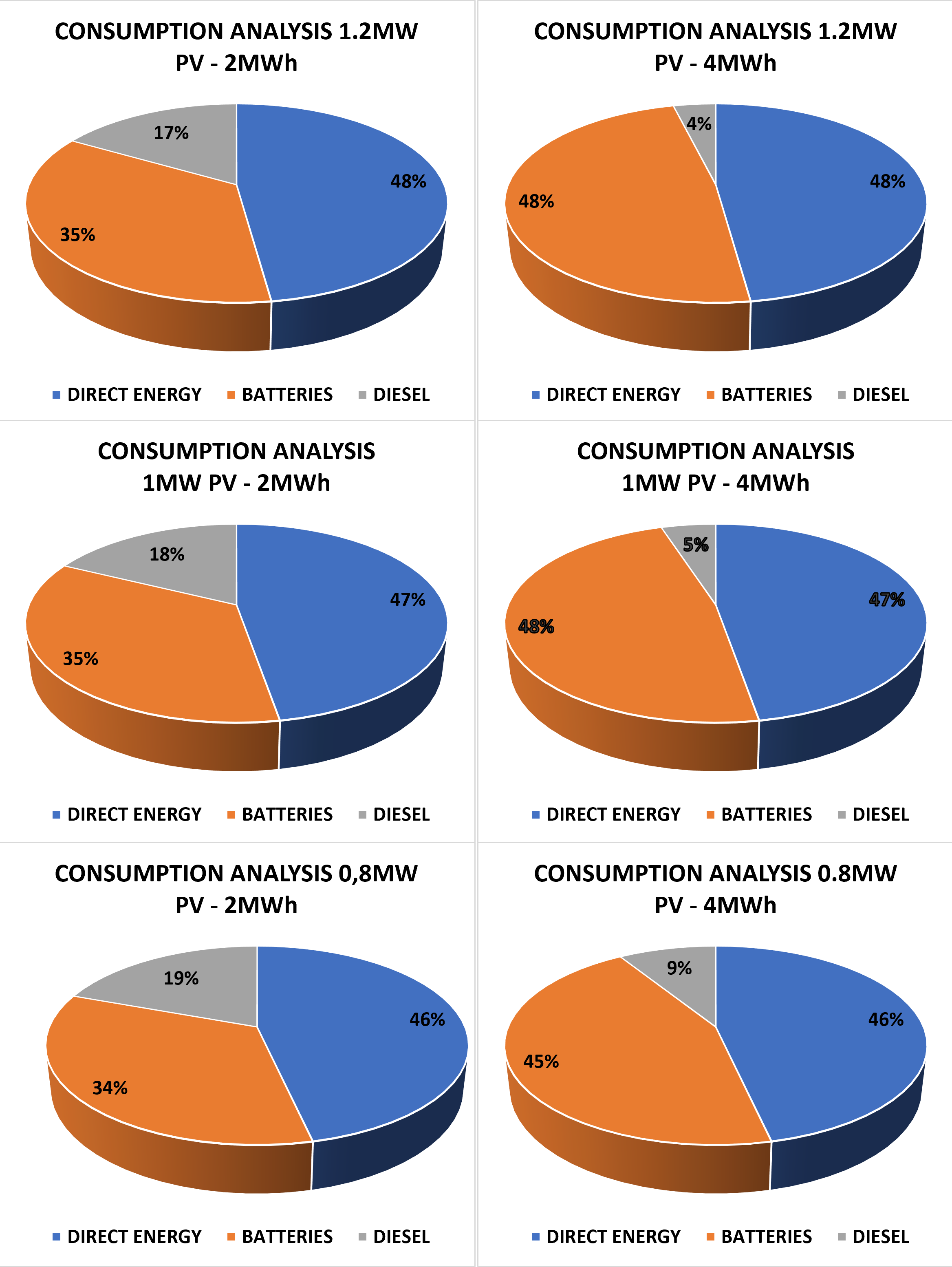
Figure 8. Annual energy consumption analysis of several configurations for Donoussa island.
In order to obtain a clear-cut picture of the hybrid system energy balance, in Figure 8 the corresponding pie charts demonstrate the annual energy analysis for 2023 and for six representative PV-battery system configurations. On the top we analyze a 1,2 MWp PV station with battery nominal capacity of 2 and 4 MWh, being the system with the biggest PV power output. As it results from the application of the proposed algorithm the necessary diesel oil contribution is varying between 17% and 4% for the biggest energy storage capacity used. For these specific cases, the load is covered almost equally (48%) direct from the PV production and the storage system for the maximum storage capacity (4 MWh), while for lower battery capacity (2 MWh) the storage system contribution is 35%, while the PV direct participation remains unaffected.
The second set of results investigated concerns a configuration of 1 MWp PV with battery nominal capacity equal to 2 MWh and 4 MWh. The corresponding diesel contribution is higher than the previous set and varies between 18% to 5%, while the majority of the load demand is covered directly by the PV generator (47%) and the energy storage participation varies between 35% and 48%.
In the last part of Figure 8 the 0.8 MWp PV generator used covers 46% of the island load directly from the PV production, while the energy storage system covers 34% in the first sub-case (2 MWh storage capacity) and increases to 45% in the second sub-case (4 MWh). Consequently, the corresponding TPS contribution varies between 19% and 9%.
In Figure 9, the energy analysis of the investigated system configurations is provided for comparison purposes. The examined PV generator peak power varies between 600–1200 kWp while the corresponding battery capacity ranges between 1000–7000 kWh (1 MWh–7 MWh). Taking into account that the island annual electricity consumption is between 1100 and 1200 MWh, the minimum PV generator peak power should be in the order of 600 kWp. Higher PV generator peak power installations have been also analyzed in order to minimize the TPS operation, considering also the battery system energy loss. Accordingly, the battery capacity examined (1 MWh–7 MWh) represents energy autonomy of the local system (without PV generator and TPS contribution) for 8 up to 48 hours of a typical day (average daily electricity consumption 3.0–3.2 MWh) [8,13].
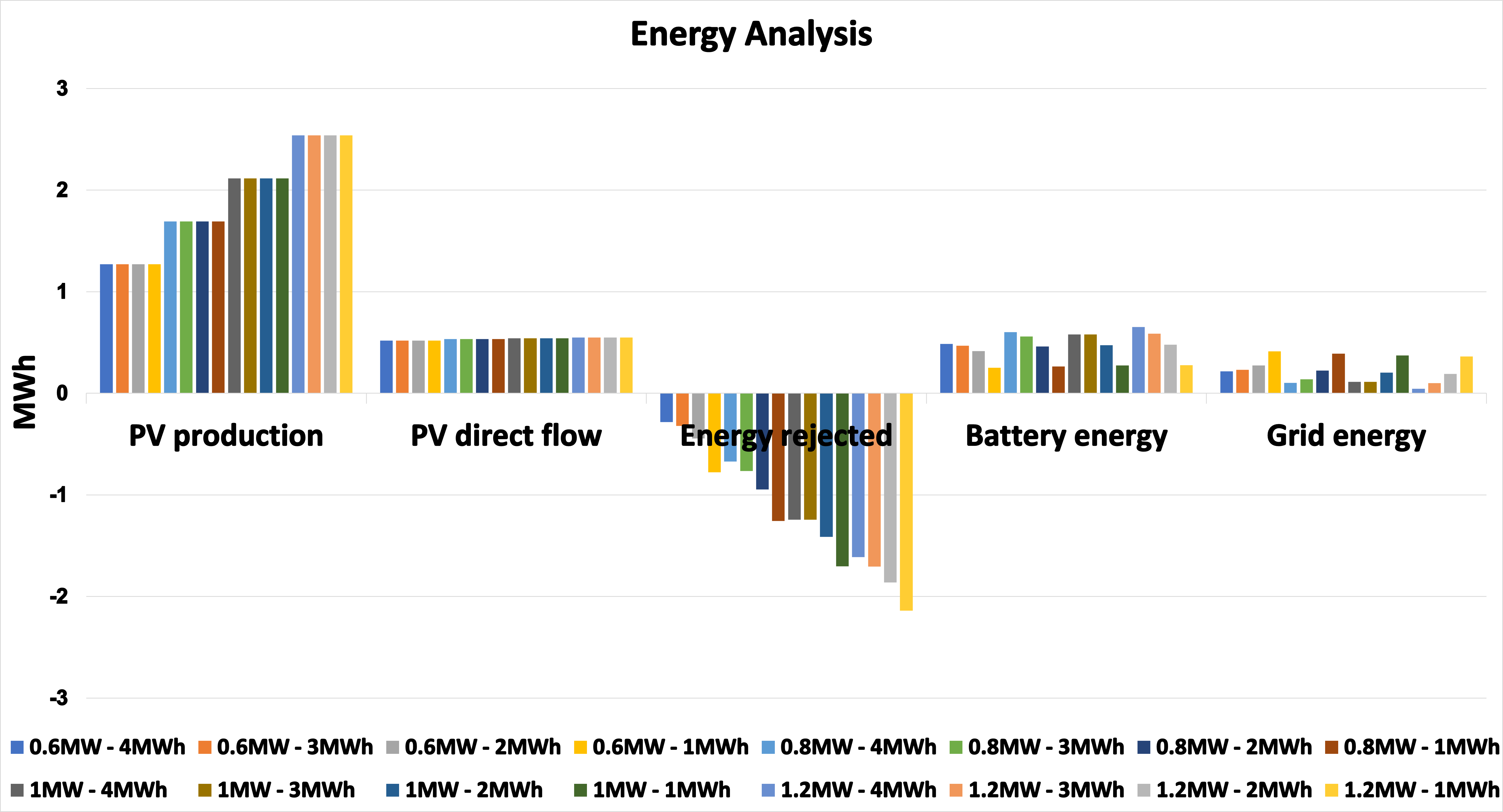
Figure 9. Energy analysis of several configurations for Donoussa island.
Using the calculation results of several configurations investigated, the direct contribution of the PV generator remains almost constant, ranging between 520 to 550 MWh. This is reasonable, since the direct PV contribution mainly depends on the annual profile concurrency between solar irradiance and the island load demand. Accordingly, by increasing the battery storage capacity remarkable increase of the load fulfillment via battery (i.e., from 250 to 650 ΜWh) is encountered, while at the same time the TPS participation decreases from 410 to 45 ΜWh. Finally, the rest of the PV energy production is either transformed in system loss or forwarded to low priority loads, since the island local community does not currently need this additional energy production.
One of the most promising solutions seems to be a configuration based on 1428 bifacial panels of 700 Wp each (i.e., Po =1 MWp), 10 on-grid inverters of 100 kVA each (maximum exit power 0.92 MW) and 20 modules of Li-ion batteries of 200 kWh each (i.e., Ess = 4 MWh). However, additional analysis is required to take into consideration the proposed hybrid system initial and long-term cost along with the corresponding environmental impact.
The panels will be placed on appropriate metallic base oriented in the North-South axis having the ability to adjust the panels’ inclination from 15° to 40°, in order to maximize the energy production of the PV installation from season to season [14].
A comparative techno-economic evaluation was conducted (see also Appendix Two) for the PV systems examined in Figures 7 and 8 rated at 800 kW, 1 MW, and 1.2 MW, each combined with battery energy storage systems (BESS) of 2 MWh and 4 MWh capacity. The analysis takes into consideration the total annual electricity demand of the island (~1150 MWh/yr) and the corresponding thermal generation currently supplied by diesel engines at a specific variable production cost exceeding 400 €/MWhe [1,2].
The simulation results, indicate that the hybrid systems can replace 940–1110 MWh of diesel-based electricity annually, leading to direct fuel savings of 370.000–450.000 €/yr. The total investment cost varies from 1.4 M€ to 2.7 M€, depending on system size and storage capacity. The resulting simple payback period (SPB), calculated from the net annual cash flows, ranges between 3.9 and 6 years, highlighting the strong economic viability of the renewable configuration compared with the operation of the existing thermal plant. The profit ratio (PR) was also calculated as a complementary indicator of investment performance, expressing the ratio between the Net Present Value (NPV) and the total project cost (CAPEX). It provides a dimensionless measure of the overall profitability of the PV–BESS configuration, where values above unity indicate economically attractive projects.
Environmental benefits are also substantial since the displacement of diesel generation results in an annual CO2 emission reduction of 658–777 t CO2/yr, assuming a specific emission factor of 0.75 t CO2/MWhe for diesel-electric units [15,16]. Larger PV capacities with 4 MWh storage achieve greater emission reduction and higher self-sufficiency but with decreasing marginal cost benefits due to partial PV production curtailment during low-load periods. In Figure 10 one can graphically see the economic results and environmental benefits of the proposed scenarios.
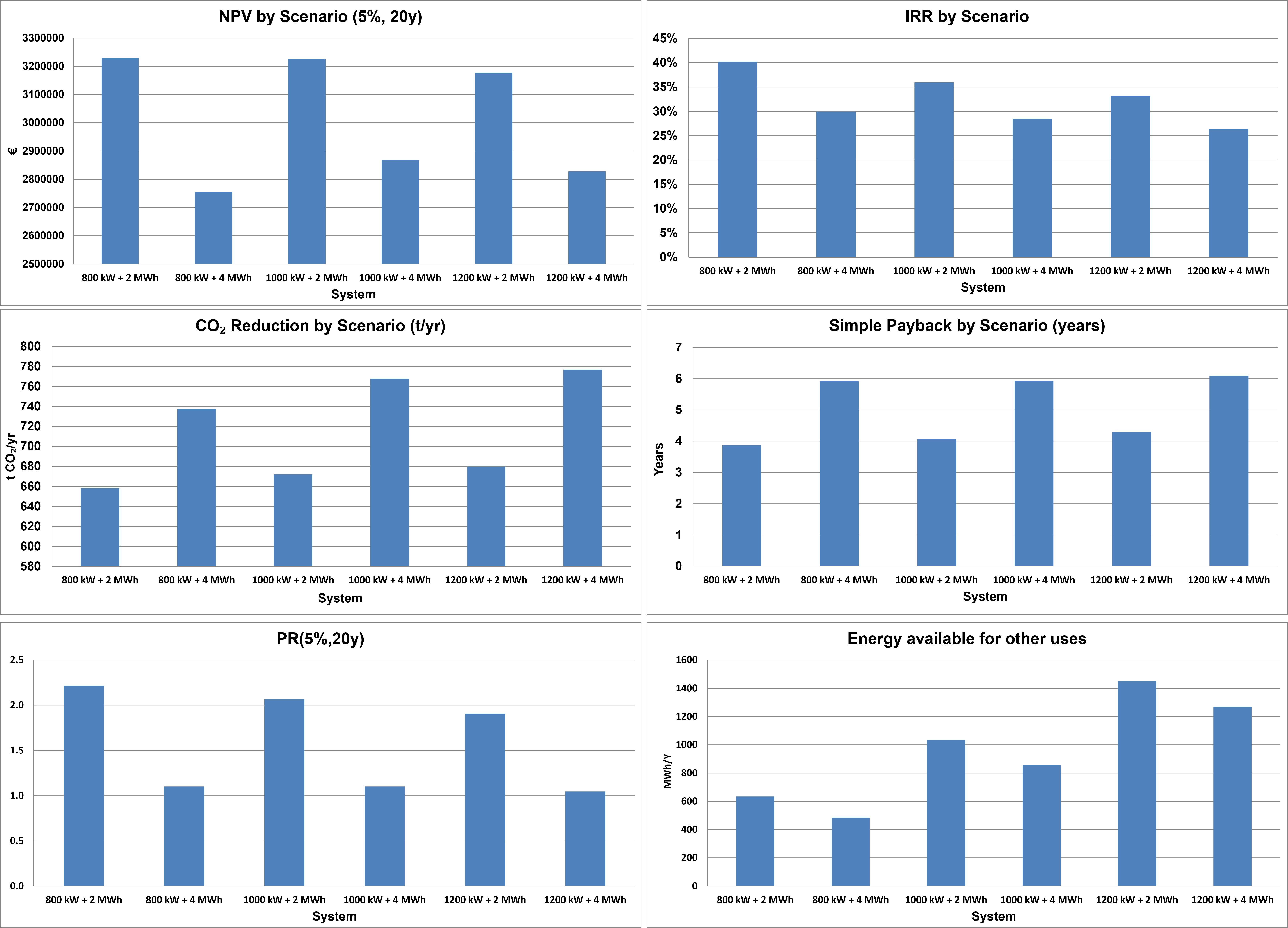
Figure 10. Financial results and environmental benefits of the proposed configurations for Donoussa island.
Among the analyzed configurations, the 800 kW + 2 MWh system achieves the highest IRR (≈ 40%) and the shortest payback time (≈ 4 years), making it the most capital-efficient option. However, its smaller scale limits total fuel savings and CO2 reduction compared with larger systems. The 1 MW + 2 MWh configuration yields the highest Net Present Value (NPV ≈ 3.2 M€) and a balanced performance across all indicators -economic, energy autonomy, and environmental protection. Configurations with higher storage systems (4MWh) results in a reduction of approximately 770 t CO2/yr.
Table 1 summarizes the main techno-economic indicators, including the Internal Rate of Return (IRR), simple payback period, NPV and Profit Ration (PR), annual CO2 reduction and energy surplus which can be used for other low priority loads, providing a holistic overview of both economic and environmental performance.
Table 1. Comparative evaluation of examined PV-Battery configurations.

Among the options, the 800 kW + 2 MWh system exhibits the highest IRR (≈ 40%) and the shortest payback time, indicating strong capital efficiency. The 1 MW + 2 MWh configuration achieves the highest NPV (≈3.23 M€) and an excellent balance between profitability and emission mitigation, while the 1.2 MW + 4 MWh system provides the largest CO2 reductions. The table highlights how increasing PV and storage capacity enhances sustainability with moderate economic trade-offs. The comparative results demonstrate that smaller and medium-scale PV–BESS systems (800–1000 kW with 2 MWh storage) deliver superior financial metrics, featuring IRRs above 35% and payback periods under 4 years. However, larger systems (1200 kW + 4 MWh) significantly improve energy autonomy and carbon reduction, providing up to 1.27 GWh yr-1 of excess renewable electricity for secondary uses. Overall, the 1 MW + 2 MWh configuration achieves the best techno-economic balance, while the 1.2 MW + 4 MWh design represents the most sustainable long-term solution for complete island decarbonization.
Recapitulating, the results obtained confirm that hybrid PV–battery systems are technically feasible and economically viable solutions for remote small islands. Considering the trade-off between investment efficiency, lifetime value, and environmental impact, the 1.2 MW PV + 2 MWh BESS system represents the optimum configuration, combining robust financial performance with significant diesel displacement and carbon mitigation, in full alignment with the objectives of the Clean Energy for EU Islands Initiative [17].
A data-driven methodology has been developed able to identify the optimal electrification pathway for small, non-interconnected islands through high-penetration of PV complemented by the appropriate battery energy storage capacity. The proposed solution targets satisfaction of the instantaneous load of the island over a three-years horizon, while minimizing diesel-oil consumption and accordingly the corresponding GHG emissions.
An extensive parametric analysis for numerous PV–battery configurations provides several promising solutions that substantially increase solar energy utilization and minimize the local TPS operation. A cost-benefit analysis using real world financial data along with a preliminary weighting of the proposed solution life-cycle cost versus environmental externalities is presented in order to define the most suitable solution.
A further challenge arises from the remarkable fraction of PV energy surplus (up to 50% of PV generator annual yield) in the attempt to eliminate the TPS contribution. Actually, this clean energy surplus may be used to provide ancillary (deferral) services such as desalinated-water production or electrification of local land and maritime transport. Furthermore, ongoing work will extend the present algorithm into a multi-objective techno-economic optimization model, thereby defining a PV–battery configuration that is simultaneously cost-effective and environmentally optimal.
The following supplementary materials are available on the website of this paper at: GES2606020004SupplementaryMaterials.zip.
Appendix 1. PV Panels Energy Yield Estimation
Appendix 2. Financial Evaluation of the Proposed Solutions
Data will be made available by the authors on request.
Not applicable.
The authors have declared that no competing interests exist.
Conceptualization: M.B. and J.K.; Methodology: M.B. and J.K.; Software: M.B.; Validation: M.B. and J.K.; Formal Analysis: M.B. and J.K.; Investigation: M.B. and J.K.; Resources: M.B.; Data Curation: M.B. and J.K.; Writing – Original Draft: M.B.; Writing – Review & Editing: M.B. and J.K.; Visualization: M.B. and J.K.; Supervision: J.K.; Project Administration: J.K.
The authors would like to thank the Hellenic Electricity Distribution Network Operator (HEDNO) for providing the three-years load demand of Donoussa TPS.
| 1. | Hellenic Electricity Distribution Network Operator (HEDNO). Issues of the operator for the non-interconnected islands [Internet]. Athens (Greece): HEDNO; 2018. [cited 2024 Apr 17]. Available from: https://www.deddie.gr. |
| 2. | Tzanes G, Zafirakis D, Makropoulos C, Kaldellis JK, Stamou AI. Energy vulnerability and the exercise of a data-driven analysis protocol: a comparative assessment on power generation aspects for the non-interconnected islands of Greece. Energy Policy. 2023;177:113515. [Google Scholar] [CrossRef] |
| 3. | Kaldellis JK, Kapsali M, Tiligadas D. Presentation of a stochastic model estimating the wind energy contribution in remote island electrical networks. Appl Energy. 2011;97:68-76. [Google Scholar] [CrossRef] |
| 4. | Kaldellis JK. Optimum technoeconomic energy autonomous photovoltaic solution for remote consumers throughout Greece. Energy Convers Manag. 2004;45(17):2745-2760. [Google Scholar] [CrossRef] |
| 5. | Kaldellis JK, Ktenidis P. The clean-green decarbonization of remote islands: the GReco-Islands concept. Environ Sci Proc. 2023;26:208. [Google Scholar] [CrossRef] |
| 6. | Kaldellis JK. Integrated electrification solution for autonomous electrical networks on the basis of RES and energy storage configurations. Energy Convers Manag. 2008;49(12):3708-3720. [Google Scholar] [CrossRef] |
| 7. | Ochoa-Correa D, Arevalo P, Martinez S. Pathways to 100% renewable energy in island systems: a systematic review of challenges, solution strategies, and success cases. Technologies. 2025;13(5):180. [Google Scholar] [CrossRef] |
| 8. | Kaldellis JK, Zafirakis D, Kavadias K. Techno-economic comparison of energy storage systems for island autonomous electrical networks. Renew Sustain Energy Rev. 2009;13(2):378-392. [Google Scholar] [CrossRef] |
| 9. | Cross S, Padfield D, Ant-Wuorinen R, King P, Syri S. Benchmarking Island power systems: results, challenges, and solutions for long-term sustainability. Renew Sustain Energy Rev. 2017;80:1269-1291. [Google Scholar] [CrossRef] |
| 10. | Qiblawey Y, Alassi A, Zain ul Abideen M, Banales S. Techno-economic assessment of increasing the renewable energy supply in the Canary Islands: the case of Tenerife and Gran Canaria. Energy Policy. 2022;162:112791. [Google Scholar] [CrossRef] |
| 11. | Manas M, Sharma S, Reddy KS, Srivastava A. A critical review on techno-economic analysis of hybrid renewable energy resources-based microgrids. J Eng Appl Sci. 2023;70:148. [Google Scholar] [CrossRef] |
| 12. | Kaldellis JK, Kapsali M, Kavadias K. Temperature and wind speed impact on the efficiency of PV installations. Experience obtained from outdoor measurements in Greece. Renew Energy. 2014;66:612-624. [Google Scholar] [CrossRef] |
| 13. | Psarros GN, Dratsas PA, Papathanassiou SA. A comprehensive review of electricity storage applications in island systems. J Energy Storage. 2024;83:110658. [Google Scholar] [CrossRef] |
| 14. | Kaldellis JK, Kavadias K, Zafirakis D. Experimental validation of the optimum photovoltaic panels' tilt angle for remote consumers. Renew Energy. 2012;46:179-191. [Google Scholar] [CrossRef] |
| 15. | Intergovernmental Panel on Climate Change (IPCC). 2006 IPCC guidelines for national greenhouse gas inventories. Geneva, Switzerland: IPCC; 2006. |
| 16. | International Energy Agency (IEA). CO2 emissions from fuel combustion. Paris (France): OECD/IEA; 2024. |
| 17. | European Commission. Clean energy for EU islands secretariat. Brussels, Belgium: European Commission; 2024. |


Copyright © 2026 Pivot Science Publications Corp. - unless otherwise stated | Terms and Conditions | Privacy Policy